A Designer's Review of the Watercolor Rose Embroidery File
Every time I open a new embroidery design, I’m looking at it as a tool. It’s not just art on a screen; it’s a blueprint for a real, physical product that my clients will wear, use, or give as a gift. Today, I’m evaluating the White Watercolor Rose Illustration PNG with that practical lens. Let’s walk through what this design offers and how it translates from a digital graphic into a beautiful, stitchable reality.
The First Impression: Soft, Romantic, and Versatile
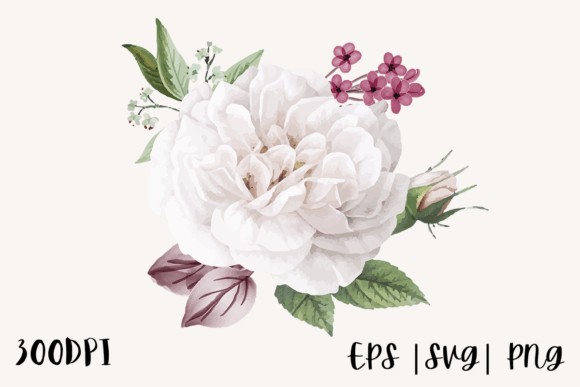
Right away, this rose illustration establishes a mood. The watercolor style means it’s soft, artistic, and carries a gentle, romantic personality. It’s not a harsh, geometric logo; it’s a piece of art. The layout is a single, focal rose with natural, flowing shapes. The detail level is thoughtful – it has enough definition to guide stitching without being overwhelmingly intricate. This tells me it belongs to projects where elegance is key: a custom embroidered pillow cover for a wedding gift, a delicate accent on a baby blanket, or a boutique-style tote bag.
Where This Rose Shines in Real Projects
I’m picturing a specific scenario. A client requests a personalized, embroidered sweatshirt for a mother’s birthday. They want something beautiful but not flashy. This watercolor rose is a perfect candidate. Its 12x12 inch size, as noted in the files, gives me great scaling flexibility. I can size it down for a subtle corner design on a kitchen towel or use it large as a statement piece on an apron. The included file types – SVG, PNG, and EPS – are a solid foundation. The PNG and EPS at 300 dpi ensure crisp printable mockups for my Etsy listings, and the SVG is typically friendly for many software workflows.
For small business merchandise, this design adds value. Stitched onto a simple canvas tote bag, it transforms a generic item into a handmade, artistic product. On a tea towel or a pillow cover, it becomes a lovely home decor item. For baby clothes or nursery decor, its soft aesthetic is ideal. As a decorative patch on a cap, it offers a feminine touch. Because of its artistic nature, it elevates the perceived quality of the finished product, fostering customer trust and engagement.
Key Embroidery Applications to Consider
- Custom Apparel: Sweatshirts, t-shirts, and blouses where a single, beautiful motif is desired.
- Home & Gift Items: Tote bags, pillow covers, blankets, and kitchen towels for holiday gifts or boutique sales.
- Personalized Products: As a focal point for wedding or anniversary gifts, paired with a name or date.
- Craft Business Assets: Used in printable mockups to sell the digital embroidery file itself or to preview a physical product.
- Commercial Embroidery: For small shops selling embroidered merchandise, it provides a consistent, professional design asset.
Practical Considerations & Where to Use Carefully
No design is perfect for every single scenario. The watercolor style, with its soft edges and potential for lighter detail areas, requires some thought during machine embroidery setup. On very textured fabrics like some linens or thick sweaters, the softer details might lose definition. On dark fabric, the white-based design will require careful thread color contrast planning – you might opt for a light, pastel thread palette instead of pure white to maintain the watercolor feel.
For projects on stretchy fabric or curved surfaces like caps, a robust stabilizer is non-negotiable to preserve those flowing shapes. If you scale the design down significantly for a very small hoop size, the most delicate lines might become too fine for clean stitching; a test on scrap fabric is crucial. Similarly, for products that need frequent washing, like baby clothes or kitchen towels, consider a denser fill stitch in the main areas to ensure longevity.
Designer Notes for a Successful Stitchout
- Always test the design on scrap fabric first, matching the final project’s material.
- Review the stitch density in your software; a watercolor effect might use lighter fills, so adjust if needed for durability.
- Check how the design looks in black and white mockups to assess contrast and form clarity.
- Compare it on both light and dark fabric backgrounds in your preview to plan your thread colors.
- Confirm the hoop size required for your intended final size to ensure stability.
- Always confirm licensing before selling finished items or commercial embroidery projects.
The Impact on Your Craft and Business
Using a design like the White Watercolor Rose Illustration PNG isn’t just about making a pretty thing. It’s about crafting an experience. For your customer, it conveys thoughtfulness and artistry, increasing the giftability and perceived value of your handmade product. For your brand, if you consistently use designs with this quality and aesthetic, it builds brand consistency and professionalism. For you, the designer, it’s a reliable, versatile asset that can serve multiple purposes without requiring heavy redesign.
In the end, this design file is a strong starting point for a wide range of embroidery projects. Its artistic watercolor style sets a distinct mood, and its included file formats provide the technical foundation. By applying practical embroidery knowledge – thoughtful fabric choice, careful sizing, and thorough testing – you can transform this digital graphic into stunning, tangible products that resonate with clients and customers. It’s a design that, when stitched with care, tells a soft, beautiful story.