A Designer's Take on the Watercolor Sunflowers Embroidery File
The First Impression: A Welcoming Burst of Soft Color
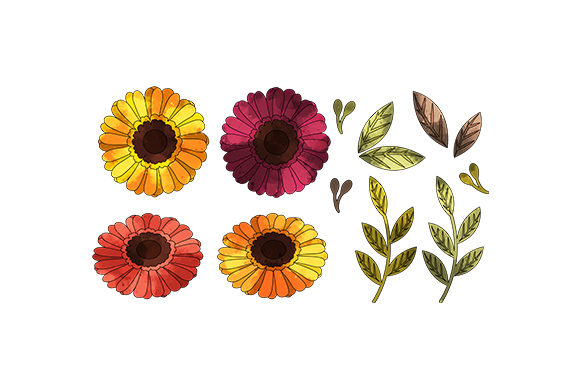
When you open the Watercolor Sunflowers embroidery design, the immediate feeling is warmth. This isn't a rigid, botanical illustration. It’s a friendly, artistic interpretation. The design has a soft, blended personality that suggests watercolor paints, which translates beautifully into the language of thread. The layout is generous and open, not cramped with tiny details. This tells me it’s a design meant to be appreciated from a normal viewing distance—perfect for when someone is wearing it on a sweatshirt or carrying it on a tote bag. The theme is universally positive. Sunflowers signal happiness, growth, and a touch of rustic charm. For a crafter or small business owner, that’s a powerful starting point.
Where This Design Finds Its Natural Home
In my practice, I think about where a design will live and how it will be seen. The Watercolor Sunflowers embroidery file feels destined for products that are touched, used, and given. Imagine a custom-order tote bag for a gardening client. The softness of the design elevates a simple canvas bag into a thoughtful, handmade product. On a baby’s blanket or a set of nursery pillow covers, the sunflowers create a gentle, cheerful atmosphere without being overly bold. I’ve also pictured it centered on a linen apron or a kitchen towel—it brings a splash of art into daily routines.
For Etsy sellers and creative entrepreneurs, this design offers excellent versatility for small shop merchandise. It could be the focal point on a sweatshirt for a boutique, a beautiful embroidered patch to apply to various items, or a standout motif on holiday gifts like personalized pillow covers. Its aesthetic is approachable and high-value, which helps with customer trust and perceived quality. In printable mockups for your digital product listings, the watercolor style presents as a professional, desirable design asset.
A Real Scenario: The Custom Embroidered Sweatshirt Project
Let’s walk through a typical project. A client requests a "cozy, artistic" sweatshirt as a birthday gift. I select a heavyweight cotton-blend sweatshirt in a soft cream color. The Watercolor Sunflowers design, with its flowing shapes, will complement the fabric texture without fighting it. I’m thinking about stitch clarity here. The design’s areas of implied color blending will need to be interpreted by my machine’s fill stitches and perhaps some satin stitch outlines. On a darker fabric, like a navy sweatshirt, the contrast would need to be strong; I’d plan for brighter thread colors to maintain that watercolor luminosity. The final piece feels like a wearable painting—a result that delights the client and reinforces my brand’s consistency for handmade presentation.
Careful Considerations for a Perfect Stitch
Every design has its sweet spots and its tricky edges. With the Watercolor Sunflowers design, the overall open layout is an advantage, but you must be mindful of scale. This isn’t a micro-design. I would avoid very small hoop sizes where the beautiful, sweeping shapes might become compressed and lose their character. On highly textured fabrics like a loose knit, the softer details might not read as clearly, so a good stabilizer choice is critical.
For items like caps with curved surfaces, the design’s central, likely larger composition would need to be tested for placement. On dark fabric, you’re not just battling contrast; you’re preserving the light, watery mood. This might mean opting for a slightly different thread palette than you’d use on light fabric to keep that feeling alive. And for products destined for frequent washing, like baby clothes or kitchen towels, checking the stitch density in any solid fill areas is wise to ensure durability. Always test the design on scrap fabric first, matching your final project’s material as closely as possible.
How This Design Elevates Your Work and Business
Using a design like this isn’t just about completing an embroidery project. It’s about the story your finished product tells. The watercolor style inherently looks artistic and considered, which boosts the item’s value. For a personalized gift, it feels special and one-of-a-kind, even if it’s from a digital file. In a craft business context, it helps your products stand out at a craft fair because they offer a visual personality that’s both friendly and refined.
This design also aids in buyer engagement. When a potential customer sees it on a tote bag design or a baby embroidery item in your online shop, they can easily imagine it in their life. It’s recognizable yet unique. For commercial embroidery projects, such as a run of branded aprons for a small cafe, it conveys a warm, handmade professionalism. It’s a design that bridges hobby and business beautifully.
Essential Designer Notes Before You Hoop the Fabric
Before I commit any design to a final project, I run a few practical checks. For Watercolor Sunflowers, here’s my mental checklist:
- Test on scrap fabric first. This is non-negotiable. See how the transitions in the design translate to stitches.
- Review thread color contrast. Do your chosen threads capture the watercolor effect on your specific background color? Compare light and dark fabric backgrounds in your planning.
- Inspect small details. While the design seems open, check any finer lines or corners in the provided files to ensure they’ll stitch cleanly.
- Confirm hoop size. Based on the design’s apparent scale, choose a hoop that lets it breathe. The product description lists several file formats (SVG, PNG, EPS, DXF), which is great for flexibility, but you’ll need to confirm the specific sizing and compatibility with your machine.
- Consider the final use. Is this for a personal project or a small shop product you’ll sell? Always confirm licensing before selling finished items or digital products. The product category mentions Nature Amp and Crafts, which gives context, but the license terms are a separate, crucial piece of information you must obtain.
- Test it in black and white mockups. Sometimes, stripping away color helps you see the composition’s strength for potential alternative thread schemes.
Embroidery is a blend of art and technique. The Watercolor Sunflowers machine embroidery design provides a wonderful artistic foundation. Your skill and thoughtful preparation—using proper stabilizer, matching it to the right fabric texture, and aiming it at the right audience—will turn that foundation into a standout handmade product that truly shines.