A Watercolor Barber Pole for Crafts & Commercial Digital Designs
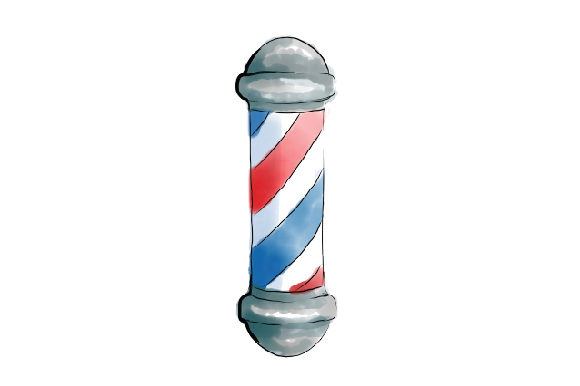
Opening the file for this Watercolor Barber Pole design, the first impression is one of classic charm with a soft, artistic touch. The watercolor style gives it a distinctly handmade, decorative feel—not overly slick or commercial. It has a nostalgic, almost playful personality that feels right for a craft business or a brand leaning into rustic, vintage, or cozy aesthetics. This isn't a bold, modern graphic; it’s an illustration with mood. I immediately think it would attract buyers looking for something with a touch of warmth and personality, perhaps for home decor, gentle gift items, or projects celebrating traditional craftsmanship.
Where This Barber Pole Design Fits in a Product Collection
As a seller preparing a new collection—say, for an Etsy shop or a seasonal bundle on Creative Fabrica—this asset is a versatile starting point. The provided formats—SVG, transparent PNG, EPS, and DXF—mean it can be tested across a wide range of sellable products before you even publish a listing. That’s a practical advantage. Here’s how I’d approach testing its commercial use:
First, I’d treat the SVG as the core file for physical crafts. It’s perfect for Cricut projects: cutting vinyl for t-shirt designs, creating detailed sticker sheets, or crafting intricate paper elements for scrapbooking kits or greeting cards. The transparent PNG is your go-to for digital products: dropping it into Canva templates for invitation sets, using it as a decorative element in printable wall art, or creating blog graphics and social media templates. The DXF is another reliable cut file for other plotter software.
Practical Applications for Merchandise and Printables
For a real shop scenario, I’d create a small batch of mockups to gauge its appeal. The watercolor barber pole could work well as:
- A focal graphic on a tote bag or a mug design, especially for niche audiences like barbershop enthusiasts or vintage collectors.
- A repeated pattern element in a sublimation design for a tumbler wrap.
- A standalone illustration in a digital paper pack or as part of a clipart bundle focused on traditional trades.
- A decorative accent in planner sticker sets or on printable greeting cards.
- A clean, scalable graphic for a t-shirt design paired with a simple, strong sans-serif font for a small business branding a local barbershop.
The key is to see how the soft washes of color translate in different contexts. Does it look premium on a mockup of a framed art print? Does it retain its character when shrunk down for a sticker detail?
Strengths for Product Presentation and Trust
From a business-minded perspective, this kind of graphic design asset can significantly aid product presentation. Using it in your listing images—for example, showing it applied to a realistic mug mockup or as part of a themed bundle preview—builds visual storytelling. It helps customers instantly understand the application, which builds trust and increases perceived value. A well-executed mockup with this watercolor barber pole can improve thumbnail appeal and click-through potential on marketplace listings. It suggests you’ve thought about the final product, not just selling a raw file.
Optimal Uses for Maximum Impact
This design works best in situations where its artistic quality can shine:
- As a large, prominent graphic on printable wall art or poster designs.
- As a central element in a themed digital bundle (e.g., “Vintage Shop Signs” collection).
- On merchandise like aprons or tea towels where the watercolor texture feels premium.
- In social media promos and blog graphics to establish a cohesive, handmade brand identity.
- Within clean, simple layouts where it’s the star, not competing with too many other complex elements.
Pairing it with complementary typography is crucial. A serif font could enhance its classic vibe; a clean sans-serif might ground it for a more commercial product; a subtle script font could play up the handmade feel. Testing these pairings on a mockup is a quick way to find the most marketable combination.
Considerations and Seller Checks Before Publishing
While versatile, there are areas where this watercolor barber pole should be used carefully. Its success depends on context.
Given the likely soft edges and blended colors of a watercolor style, it might not be ideal for extremely tiny sticker details where fine lines could get lost. In overly complex layouts or crowded thumbnails, its gentle personality might disappear. Also, on very dark backgrounds, the contrast could be weak unless you add a light outline or background shape. For products where clean, sharp cutting lines are absolutely critical—like some intricate Cricut or Silhouette projects—you must inspect the SVG paths closely. Ensure the design is simplified enough for a clean cut, especially if the original illustration has very subtle, blended edges.
Essential Pre-Launch Tests for Your Shop
Before listing any product using this asset, run these practical checks:
- Test the PNG transparency on both white and dark backgrounds to ensure no unwanted halos or edges appear.
- Preview the design as a marketplace thumbnail—does it read clearly at a small size?
- If selling physical products, test print colors; watercolors can sometimes print softer than expected.
- Verify the SVG file opens cleanly in your design software and that layers or cut lines are logical for your customers.
- Confirm the commercial license of the original asset if you’re bundling it or creating derivative templates.
- Organize the final files clearly for your customers—labeling the SVG, PNG, etc., properly improves the user experience.
Finally, the most realistic test: apply the watercolor barber pole to a few real product mockups. See how it looks on a t-shirt, in a card template, and as part of a social media graphic. This not only confirms its utility but also generates the professional-looking images you need for your online product collection. It turns a single graphic design asset into a tool for building a more cohesive and attractive digital shopfront.