A Watercolor Cabin Embroidery Design for Makers
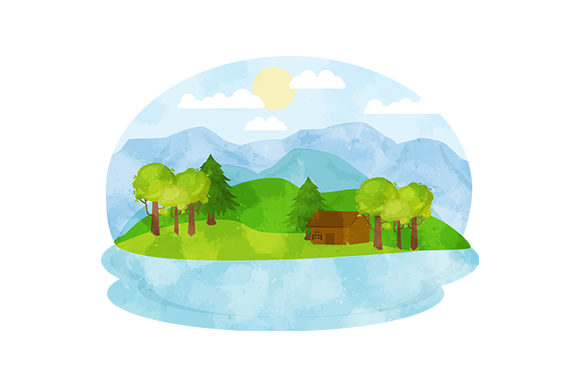
When a client asks for an embroidered gift, or you're selecting a new design for your shop, the first impression is everything. Looking at the Watercolor Woodland Cabin by a Lake in Summer embroidery design, its immediate appeal is its mood. It's not a stark, graphic outline; it feels soft, nostalgic, and gently detailed. The watercolor style implies a blend of colors and a softer edge, which translates beautifully into embroidery, suggesting a piece that feels handmade and artistic rather than rigidly mechanical.
The Design’s Natural Habitat: Where This Cabin Belongs
This design has a specific personality. It’s peaceful and scenic, evoking summer tranquility. That makes it a natural fit for projects where warmth and comfort are key. I immediately picture it on a cozy pillow cover for a cabin-themed room, or as a central motif on a kitchen towel for someone who loves the outdoors. For a small business owner, it’s perfect for a line of “quiet getaway” merchandise—think embroidered tote bags for book lovers or serene sweatshirts. The level of detail, with the cabin, trees, and lake, creates a complete scene, so it works best as a standalone statement piece rather than a tiny accent.
Real Stitching: From Digital File to Finished Product
Let’s walk through a real scenario. Imagine you’re preparing a custom baby blanket as a gift. You want something beautiful, gentle, and durable. This watercolor cabin design, offered in formats like SVG and PNG, gives you flexibility. The watercolor effect means the stitch density will likely vary, with softer fill stitches in the lake and cabin, and perhaps running stitch details for the trees. On a blanket, those textured fills will add lovely tactile interest. However, the scenic detail means you need a sufficiently large hoop size to maintain clarity. Stitching it too small on a baby cap, for instance, might lose the charm of the lakeside details.
For apparel decorators, this design shines on stable fabrics. A heavyweight cotton tote bag or a fleece sweatshirt will support the scene well. On a thin, stretchy t-shirt, you’d need excellent stabilizer to prevent puckering, especially in any denser fill stitch areas. Dark fabric backgrounds could be stunning, but require careful thread color choice to ensure the watercolor “lightness” still reads clearly. Always test on scrap fabric first.
Where to Exercise Caution
Every embroidery design has its ideal applications and its less-perfect fits. For this woodland cabin, the intricacy of the scene is its beauty and its practical consideration. Projects with curved surfaces, like caps, can distort wider scenes. Also, if the design includes very tiny details (like small window outlines on the cabin), they might not stitch cleanly on highly textured fabrics like linen without careful digitizing review. It’s not a design I’d automatically choose for an apron that needs frequent, harsh washing, as complex fills can wear over time. The key is matching the design’s artistic vibe to a product that suits its temperament.
Value Beyond the Stitches: How This Design Engages Customers
From a business perspective, a design like this affects more than just the hoop. Its visual appeal is high because it tells a story. That story increases perceived value on handmade products. A pillow with this embroidered scene feels more like a curated home decor item than a generic craft. For giftability, it’s excellent—it’s personal without being personalized, evoking universal feelings of peace. This builds customer trust and engagement; they see the craftsmanship and the narrative. For brand consistency, if your shop focuses on nature, rustic themes, or soft aesthetics, this design becomes a strong asset.
Professionally, it’s a design that asks for a bit of preparatory work. Before running it on a final product, check it in a black and white mockup to see how the contrasts hold. Compare how it looks conceptually on both light and dark backgrounds. Since it comes in multiple file formats, it’s versatile for both machine embroidery and potentially other crafts, which is great for creative entrepreneurs. Always confirm the licensing for your specific use—whether for personal gifts or commercial embroidery for your small shop merchandise—before selling the finished product.
Practical Notes for the Embroidery Designer
Working with any new embroidery file requires a practical checklist. For the Watercolor Woodland Cabin by a Lake in Summer:
- Test First: Always stitch it out on scrap fabric of the same type you plan to use. This reveals true thread color contrast and stitch density.
- Hoop Size: Ensure your planned hoop size accommodates the entire scene comfortably. Crowding it compromises clarity.
- Inspect Details: Zoom in on the digital file. Look for any potential tricky spots like tight corners in the cabin roof or very thin tree lines that might need stabilizer adjustment.
- Background Choice: This watercolor style may rely on lighter tones. Stitching it on dark fabric requires a bold, thoughtful color palette to maintain the watercolor effect.
- Stabilizer is Key: Given the likely mix of satin and fill stitches, using the proper stabilizer for your fabric is non-negotiable for a clean finish.
- Commercial Use: Verify the design’s license if you intend to produce items for your craft business, Etsy listings, or craft fair products. Understanding the terms protects your work.
In the end, the Watercolor Woodland Cabin by a Lake in Summer is more than a digital embroidery file; it’s a design asset that, when applied thoughtfully, creates finished products with heart and marketability. It invites the maker to consider not just the stitch, but the story it sews into the fabric.