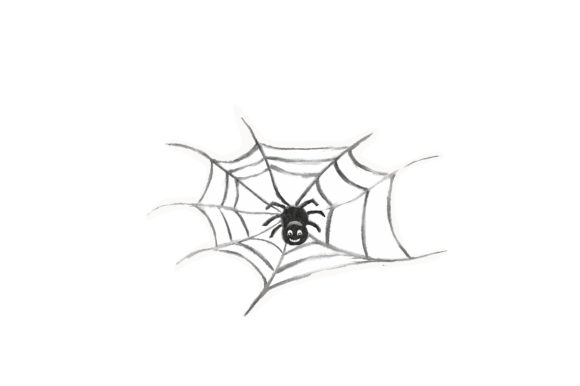
Assessing the Watercolor Spider Web Design for Embroidery Projects
The First Impression: Cute, Spooky, and a Designers Delight
When you first encounter Watercolor Spider in a Web, the design immediately strikes a specific, and charming, mood. It’s less about horror and more about whimsical, storybook spookiness—perfect for projects that need a touch of Halloween charm without full-on fright. The watercolor style implies soft edges and blended colors, which in embroidery translates beautifully to layered fill stitches. The layout, with the spider nestled centrally, feels balanced and ready to be hooped. Its visual personality is friendly and artistic, making it a natural fit for projects aimed at a broad audience, from children’s items to boutique holiday merchandise.
Where This Design Finds Its Perfect Home
I picture this embroidery file on a cozy, chenille sweatshirt for a fall festival, or as a subtle, delightful accent on the corner of a linen pillow cover. Its cute-but-spooky description means it has surprising versatility. For baby embroidery, a small version on a knit blanket could be adorable. For a craft business like an Etsy seller, it’s a ready-made asset for creating unique tote bag designs or embroidered patches. The theme naturally leans toward Halloween, but the artistic quality could extend into general Crafts for spider-themed decor or educational items.
Real-Life Scenario: Crafting a Boutique Holiday Tote
Imagine you’re preparing a limited-run tote bag for your small shop’s October collection. You want something that feels handmade, special, and slightly seasonal without screaming it. Hooping up a natural canvas bag, you stitch the Watercolor Spider in a Web. The watercolor effect, rendered in satin stitches for the web and fill stitches for the spider’s body, creates a soft, painterly texture that elevates the bag from a simple commodity to a personalized gift. A customer’s reaction would likely be, “Oh, how clever and pretty!” rather than “That’s scary.” This design boosts perceived product value through its artistic execution.
Performance on Actual Products and Fabrics
For custom apparel like t-shirts and sweatshirts, the design’s moderate detail level should stitch cleanly on most knit fabrics with a good cutaway stabilizer. On caps or hats, the curved surface might require careful placement to keep the circular web symmetrical. For kitchen towels or aprons, the design offers a fun, thematic accent for holiday embroidery projects. In digital product previews or printable mockups, the SVG format provides crisp outlines for showcasing your finished product ideas.
Considerations for Stitching Success
There are places, however, to proceed with a designer’s caution. On very small hoop sizes, the finer details of the spider’s legs and web connectors could become muddy if the stitch density is too high. Textured fabrics like thick terrycloth or loose weaves might obscure the watercolor softness. On dark fabric backgrounds, thread color contrast is paramount—you’d need to test a palette that pops while maintaining that blended, watercolor feel. For products destined for frequent washing, such as baby clothes, ensuring the stitch structure is secure and using robust stabilizer is key.
Impact on Your Business and Customer Perception
Using a design like this well speaks to your professionalism as an embroidery designer. It shows thoughtful curation of your design assets. A clean, well-stitched version on your handmade product builds customer trust; they see attention to detail. For brand consistency, if your shop’s aesthetic is playful and artistic, this design fits seamlessly. Its giftability is high—it’s a recognizable, seasonally appropriate motif without being generic. Ultimately, it engages buyers by offering something familiar (a spider web) rendered in a uniquely charming way.
Practical Designer Notes Before You Hoop
My standard advice always applies, but is especially relevant for a stylized design like this. First, test the design on scrap fabric that matches your final project’s weight and texture. This reveals how the fill stitches blend and if any small details need adjustment. Check thread color contrast thoroughly, perhaps creating both light and dark fabric mockups to see the effect. Review the implied stitch density from the SVG; a watercolor style often uses lighter, layered fills, which can be beautiful but may require a specific machine setting.
Always use proper stabilizer for your chosen fabric—it makes all the difference in preserving that delicate look. Importantly, confirm licensing before selling finished items or incorporating the file into commercial embroidery projects. The product description states it’s for creating compositions and products, but always verify the specifics for your commercial use. Finally, inspect how the design works in a simple black-and-white view; this highlights the structural outlines and ensures the design will hold its form even if you deviate from the suggested color palette.
The Final Take: A Versatile Asset for Creative Makers
Watercolor Spider in a Web is more than just a Halloween file. It’s a versatile embroidery design that brings an artistic, soft-touch aesthetic to a classic motif. For the apparel decorator, the small business owner, and the hobbyist making personalized gifts, it provides a ready-to-use element that elevates projects through its unique style. Your success with it will hinge on those practical steps—testing, stabilizing, and choosing the right product canvas—but the result, when executed well, will be a finished product that feels thoughtfully designed and delightfully spooky in just the right way.