Bringing Watercolor Gourds from File to Fabric
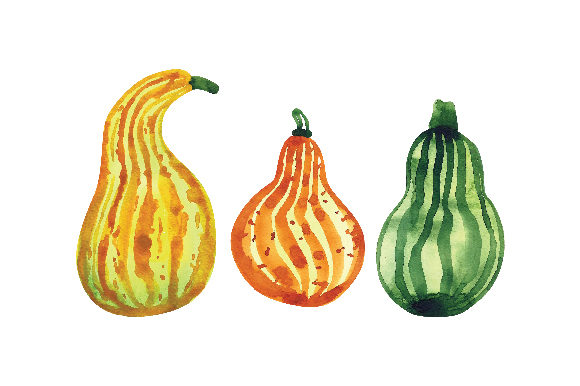
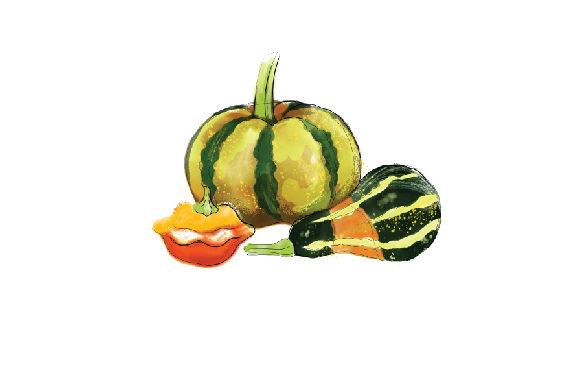
When I first look at a new embroidery design, I’m not just seeing an image; I’m imagining it stitched. I’m thinking about the thread, the fabric, the hoop, and the final product someone will hold. So when I opened Watercolor Gourds, my immediate thought was, "This has personality." It’s not a rigid, technical illustration. The watercolor style suggests a soft, artistic mood—a hand-painted feel that translates wonderfully into the textured world of embroidery.
The Artful Mood of Watercolor Gourds
The design’s loose, painterly strokes and blended color sections create a gentle, rustic charm. It feels organic and welcoming. This isn’t a design that shouts; it quietly complements. That makes it a fantastic candidate for projects where the aesthetic is about warmth and handmade authenticity. Imagine it on a kitchen towel in a farmhouse-style kitchen, or as a central motif on a linen pillow cover for a cozy reading nook. The theme of gourds itself is wonderfully versatile, straddling harvest season, general autumn decor, and a timeless love for natural shapes.
Where This Design Finds Its Perfect Home
In practical terms, Watercolor Gourds feels destined for projects where its artistic flair can shine without fighting with other elements. My mind goes straight to a custom embroidered tote bag for a gardening friend, or an apron for someone who loves cooking with seasonal produce. It would be a beautiful, subtle addition to a baby’s blanket or nursery decor, offering a natural theme without being overly bold.
For small business owners and Etsy sellers, this design offers great value. It could anchor a line of autumn-themed merchandise—think embroidered tea towels, patchwork quilt blocks, or even as a decorative element on a sweatshirt for a boutique brand. Because the watercolor effect implies softness, it pairs exceptionally well with natural fabrics like cotton, linen, and canvas.
Stitching Considerations: Where to Use With Care
While the design’s style is forgiving, its successful translation to stitches requires some forethought. The watercolor look likely relies on color blends and soft edges. In embroidery, this means areas of fill stitch with possibly varying densities to create that painterly effect. On very small hoop sizes, those blended areas might lose definition and become a bit muddy. I would advise testing it on a larger scale first to see how the details hold.
Stitch density is a key consideration here. If the file has very dense fills to achieve the color blends, it could become stiff on lightweight or stretchy fabrics like t-shirts. It might be perfect for a stable tote bag or a pillow cover, but could pull or distort on a thin cotton tee without proper stabilizer. Always stitch a sample on scrap fabric that matches your final project’s weight and texture.
Dark fabric backgrounds present another interesting challenge. The watercolor style often uses lighter, translucent colors. On a black or navy sweatshirt, you’d need to carefully select your thread colors to ensure they pop with enough contrast while still maintaining that soft watercolor feel. Creating a black-and-white mockup of the design can help you see the value contrast before you commit to thread.
A Real Project Scenario: The Boutique Tea Towel
Let’s walk through a real case. Suppose I’m preparing a batch of embroidered tea towels for my small shop’s autumn collection. I choose a high-quality, light-colored cotton towel. Watercolor Gourds is my feature design. I hoop it, use a firm stabilizer to handle the cotton’s weave, and select threads that mimic a watercolor palette—perhaps slightly muted pinks, oranges, and greens.
After stitching, I’m looking for that soft, blended effect. Does it look painted, or does it look blocky? How do the edges of the gourds feel? The success here directly impacts the product value and customer trust. A well-executed, artistic embroidery like this tells a customer that the item is thoughtfully made. It elevates a simple towel into a personalized gift or a desirable handmade product. It supports brand consistency for a shop focused on artistic, natural themes.
Practical Notes for the Working Designer
Before you run this embroidery file for a client project or your own craft business items, do your due diligence. The product listing notes it comes in SVG, PNG, EPS, and DXF formats. This is excellent for flexibility—you can use it for machine embroidery design and also for creating printable mockups or other digital product previews for your listings.
- Always test the design on scrap fabric first. This is non-negotiable. It reveals how the stitch density behaves on your specific material.
- Check your thread color contrast against your final fabric. What looks good on screen may need adjustment in thread.
- Review the small details. Are there tiny elements or corners that might become lost or tricky to stitch cleanly?
- Confirm the licensing terms. Can you use it for commercial embroidery projects? For selling finished items in your small shop product line? Never assume.
- For items that will need frequent washing, like kitchen towels or baby clothes, consider how the stitch coverage will hold up over time. A well-balanced design with good stabilizer use will last.
For projects like embroidered patches or caps, where the surface is curved or smaller, assess the design’s layout. Does it have a clear focal point that will center well on a cap? Would it need to be simplified or resized? The watercolor style might be less defined on a small, textured area like a hat.
The Final Impression: Why Watercolor Gourds Works
What makes Watercolor Gourds a compelling design asset is its emotional tone. It’s approachable and artistic. In a market saturated with sharp, graphic designs, this one offers a different kind of visual appeal. It feels handmade in its very essence, which aligns perfectly with the values of creative entrepreneurs and makers.
When a customer sees this design stitched onto a product, they’re likely to connect with its gentle, natural personality. It doesn’t feel mass-produced. That connection drives buyer engagement and enhances the giftability of any item you apply it to. Whether you’re an apparel decorator adding it to a custom sweatshirt, a hobbyist making a holiday gift, or a digital product seller offering it as part of your portfolio, its practical charm is its greatest strength. Remember, the file is the blueprint; your skill and careful planning turn it into a beautiful, real-world finished product.