Honey Jar Watercolor: A Sweet Design Review
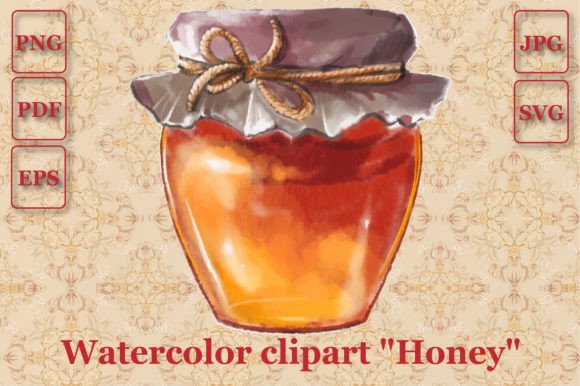
When I first opened the Honey Jar Watercolor Color Vector SVG, I wasn't just looking at a graphic. I was picturing how it would translate into thread. This isn't about pixels or vectors; it's about stitches. The design, with its soft watercolor washes and charming jar silhouette, immediately feels warm and approachable. It's a design that whispers "handmade," not shouts it. For embroiderers looking for something that straddles the line between rustic charm and modern simplicity, this is a compelling starting point.
The Mood It Stitches Into Your Project
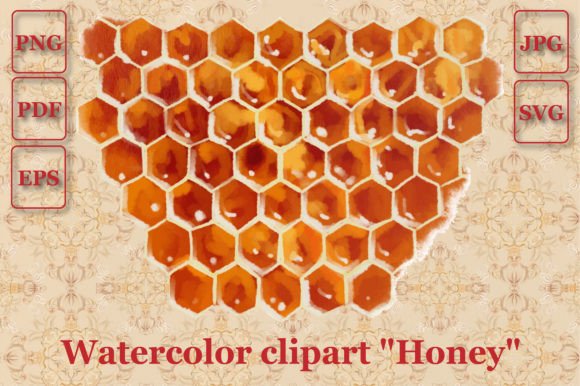
The watercolor effect is the star here. Unlike a hard-lined graphic, this design has a soft, blended personality. In embroidery, that means we're not aiming for photorealism. Instead, we're capturing a feeling—the gentle gradient of golden honey, the subtle texture of the jar label. This aesthetic lends itself perfectly to projects that carry a personal, artisanal vibe. Imagine this design embroidered on a linen apron for a boutique bakery, or as a small accent on a cotton baby blanket for a newborn gift. It feels gift-ready and genuine.
As a designer, I appreciate that the theme is clear and versatile. "Honey" can evoke kitchenware, farmhouse decor, baby items (think "little honeybee"), or simply a general sense of sweetness and natural goodness. This makes it a strong candidate for small business owners and Etsy sellers who need designs that can cross over into multiple product lines while maintaining a cohesive brand feeling.
Real-Life Embroidery: Where This Jar Finds Its Home
Let's walk through a real scenario. A client requests a custom embroidered tote bag as a wedding gift for a couple who loves gardening and homemade treats. The Honey Jar Watercolor design comes to mind. Its gentle, non-industrial look fits the sentimental occasion. On a sturdy canvas tote, the design would need to be scaled appropriately. The vector SVG format is a huge advantage here; scaling up for a central tote bag feature or down for a subtle corner accent won't compromise the clarity of the lines, which is crucial for clean embroidery file paths.
For apparel decorators, this design works beautifully on sweatshirts and t-shirts, particularly in lighter colors where the watercolor hues can shine. On a cream-colored sweatshirt, using golds, ambers, and soft browns for the honey and a muted blue or grey for the jar could create a beautifully understated, high-value item. For baby clothes, scaled down and stitched on a knit fabric, it becomes a delicate, non-bulky decoration. The lack of overly intricate, tiny detail is a benefit here—it means the design can be stitched cleanly even on smaller hoop sizes without losing its character.
Patches, Home Decor, and Beyond
As an embroidered patch, this honey jar would have exceptional appeal. The watercolor style gives it a premium, artistic feel compared to a flat graphic patch. Applied to a denim jacket or a canvas backpack, it tells a story. For home decor—pillow covers, tea towels, or nursery wall hangings—the design integrates seamlessly into cozy, curated spaces. It's also a prime candidate for digital product sellers; the included PNG and JPG files are ready for printable mockups or digital previews, allowing craft business owners to showcase the design on product images before even threading the needle.
Practical Considerations: Stitching With Confidence
The beauty of a vector file for embroidery is the clean path it provides for machine embroidery designs. However, the watercolor aesthetic introduces a specific consideration: stitch density. Those soft color blends will be translated into fill stitches. On thicker fabrics like towels or tote bags, a denser fill will look rich and hold up well. On thinner or stretchy fabrics, like t-shirt cotton, you'll want to test the stitch density to ensure it doesn't distort the fabric or create a stiff, uncomfortable patch. Always, always test on a scrap of your project fabric first.
Thread color contrast is another key note. The design's appeal relies on the gentle contrast between the jar and the honey. On dark fabric backgrounds, this becomes critical. You might need to opt for a lighter jar color (a soft white or pale grey fill stitch) to maintain that visual separation and keep the design readable. A black and white mockup check is a smart step here to see the pure shapes without color influence.
For challenging surfaces like curved caps, the simpler outline of the jar is forgiving, but the filled areas need a stable hoop and good stabilizer to prevent puckering. I'd avoid trying to miniaturize this design too much for a cap's curved panel; keep it at a moderate scale where the fill stitches can lay flat.
How This Design Elevates Your Finished Product
From a commercial and customer perspective, using a design like this does more than decorate a product. It elevates the perceived value. The watercolor style suggests care and artistry, which boosts customer trust in a handmade presentation. For a small shop merchandise item, it helps build a brand consistency around natural, warm themes. Its giftability is high—it's a design that feels thoughtful and specific without being overly personalized.
For creative entrepreneurs, the multi-format inclusion (PDF, JPG, PNG, SVG, EPS) is a practical boon. It means this single asset can serve your embroidery machine, your product mockup software, your website graphics, and your promotional materials. That versatility saves time and maintains visual coherence across your business touchpoints.
A Final Word for Embroidery Designers and Makers
My ultimate judgment on the Honey Jar Watercolor Color Vector SVG is that it's a thoughtfully crafted graphic with strong real-world application. Its mood is its biggest asset. Before you commit it to a client project or a batch of craft fair products, do your due diligence. Confirm the licensing terms for commercial use if you're selling the finished embroidered items. Check the specific stitch count and recommended hoop size from your embroidery file converter or software, as these aren't provided with the graphic itself. Use proper stabilizer for your chosen fabric.
When you stitch this jar, you're not just stitching a graphic. You're stitching a feeling of warmth, simplicity, and handmade charm. That’s a product story customers love, and a project experience that feels rewarding from hoop to finished product.