Honeycomb Watercolor: A Design Review for Embroidery
A Sweet and Soft First Impression
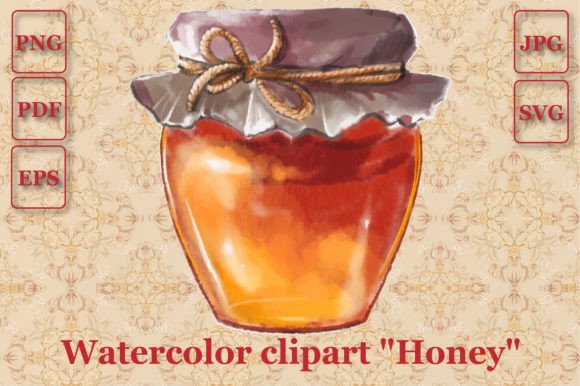
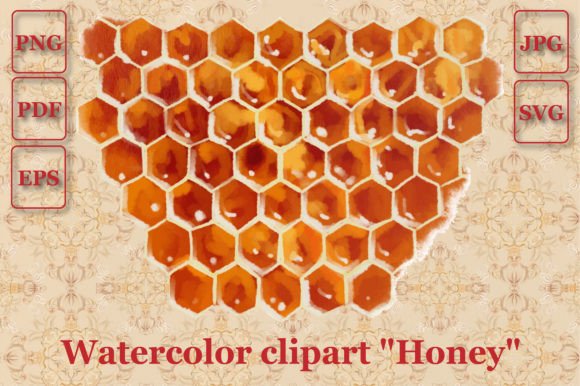
When I first opened the Honeycomb Watercolor Color Vector Svg, my immediate thought was "springtime gift shop." This isn't a harsh, graphic hexagon pattern; it's gentle. The watercolor aesthetic gives it a soft, almost nostalgic personality, with those blended color edges suggesting hand-painted charm. The honey theme itself is wonderfully versatile—it speaks to nature, home, sweetness, and hard work. For embroidery, this creates a mood that's inviting and warm, not bold or aggressive. It feels destined for items meant to convey care, like a personalized gift or cozy home decor.
Where This Design Finds Its Perfect Stitching Home
In practical terms, this design shines on specific canvases. I envisioned it immediately on a high-quality cotton tote bag for a farmer's market vendor or a boutique. The organic theme aligns perfectly. For baby items, like a blanket or a little onesie, the soft watercolor tones are ideal—avoiding harsh contrasts for a nursery. I also pictured it as a central motif on a linen apron or a kitchen towel; it has that homemade, artisan feel. For apparel, a discreet left-chest embroidery on a sweatshirt would work beautifully, offering a subtle brand logo for a small business. The design's inherent sweetness makes it a strong candidate for wedding or anniversary gifts, perhaps embroidered on a pillow cover.
The vector SVG format is a significant advantage here. As a designer preparing files for my embroidery machine, knowing I can scale this without losing detail is crucial. Whether I'm hooping a large tea towel or a small cap, I can adjust the size confidently. This scalability makes it a fantastic asset for a craft business producing a range of product sizes, from patches to blanket panels.
Projects That Might Not Suit Its Nature
This is where practical judgment comes in. The watercolor effect, with its soft color transitions, relies on nuance. On very dark fabric backgrounds, those lovely pale washes might lose their impact unless you plan your thread colors meticulously for high contrast. Similarly, on highly textured fabrics like some sweaters, the fine details defining the honeycomb cells and the color blends could become muddled.
Because of its likely detail—the individual hexagons and the color variations—I would be cautious about shrinking it down for very small embroidery areas, like on the curved surface of a tight-fitting cap. Those details might become too dense for the stitch density to handle cleanly, potentially leading to a stiff, puckered result. Always test first.
The Real-World Impact on Your Product and Customer
Using a design like this on your handmade product does more than just decorate it; it communicates a style. This design elevates a simple item. A plain tote bag becomes a "artisan market tote." A basic kitchen towel feels like a "specialty home good." This perceived value is real. For an Etsy seller or small shop owner, that translates directly into better storytelling in your listings and, often, a higher price point justified by the unique design.
From a customer's perspective, this honeycomb pattern feels approachable and giftable. It's not a generic graphic; it has personality. That builds trust—it shows you, as the maker, chose a design with intent, which reflects on your overall brand consistency and professionalism. For personalized gifts, it's a winner, as the theme is positive and widely appreciated.
Handling the Watercolor Effect in Stitching
The key to embroidering this watercolor look successfully will be thread selection. You'll need to study the color blends in the graphic file and translate them into a smart thread palette. Sometimes, achieving that soft gradient means using more thread colors than you initially think, or cleverly using fill stitch directions to create visual blends. Don't assume the machine will replicate the digital file perfectly without your input. Testing on scrap fabric of your final material is non-negotiable. Check how the stitch density looks, especially in the areas where hexagons meet—those corners need to be clean.
A Designer's Practical Checklist Before You Hoop
- Test, Test, Test: Run the design on a scrap of your intended fabric first. Check for puckering, clarity of the honeycomb shapes, and color representation.
- Contrast is Key: View the design in a black-and-white mockup. Does the silhouette hold up? This tells you if it will work on both light and dark backgrounds, or if you need to adjust the layout for one.
- Consider the Stabilizer: For fabrics that might struggle with the detail (thin or stretchy materials), your choice of stabilizer becomes even more critical to preserve that watercolor softness without distortion.
- Size Wisely: Use the vector scalability to your advantage, but find the optimal hoop size for your specific project. Too small might crush the detail; too large might make it feel sparse.
- License Confirmation: The product description notes its use for sublimation and "just about anything else." However, before selling any finished product or using it in commercial embroidery for client work, double-check the specific licensing terms included with the zipped file to confirm commercial use is permitted.
- Think Beyond Embroidery: The included PNG and JPG files are perfect for creating printable mockups for your online shop or for using in digital previews, which is a huge plus for marketing your craft business.
Ultimately, the Honeycomb Watercolor Color Vector Svg is a design file with a lot of heart and commercial potential. Its strength is its mood. It won't be the right choice for every project, but for those where a soft, natural, and sweet aesthetic is the goal—from a baby's blanket to a boutique's branded apparel—it provides a beautiful, scalable foundation. Your skill as an embroiderer in translating its digital watercolor into thoughtful threadwork will determine the final, stunning result on your finished product. Approach it with a plan, and it will reward you with a uniquely charming embroidered piece.